December 3, 2025
Nail Technology Careers: Your Complete Guide to Success in the Thriving Nail Services Industry
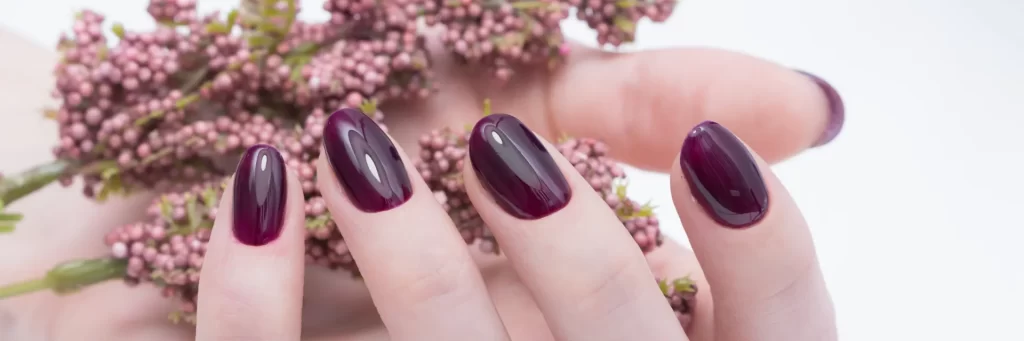
The nail services industry has experienced explosive growth over the past two decades, evolving from basic manicures into a sophisticated field encompassing artistic nail designs, advanced enhancement techniques, and therapeutic nail care. Today’s nail technicians are skilled professionals combining technical precision with artistic creativity, business acumen, and deep understanding of nail anatomy and health. For individuals passionate about detailed work, artistic expression, and helping clients feel polished and confident, nail technology offers rewarding career opportunities with excellent growth potential and diverse specialization options.
Many people underestimate nail technology as a career path, viewing it as less complex or prestigious than other beauty specializations. This misconception couldn’t be further from reality. Professional nail technicians master chemistry understanding how products work, anatomy and physiology to recognize nail disorders and prevent damage, artistic techniques creating intricate designs, sanitation protocols protecting client health, and business skills managing appointments, inventory, and client relationships. The nail industry generates billions in annual revenue, supporting hundreds of thousands of professionals across diverse work settings from budget salons to luxury spas.
This comprehensive guide explores every aspect of nail technology careers, from understanding nail anatomy and common disorders through mastering enhancement techniques, developing artistic skills, building successful practices, and navigating various career paths within this dynamic industry.
Understanding the Nail Technology Profession
Before diving into techniques and skills, it’s important to understand what nail technicians do and the scope of this profession.
What Nail Technicians Do
Licensed nail technicians provide comprehensive nail and hand care services including basic manicures and pedicures, nail enhancements (acrylics, gels, dip powder), nail art and design, nail repair and maintenance, paraffin treatments and spa services, and nail health assessment and recommendations.
Beyond technical services, nail technicians serve as educators teaching clients proper home nail care, sanitation experts maintaining the highest hygiene standards, consultants helping clients choose appropriate services and designs, and often confidants—regular nail appointments create unique client relationships built over hours of one-on-one time.
The scope of practice varies by state but generally includes cosmetic nail services and basic foot care. Nail technicians cannot diagnose or treat nail diseases, provide medical foot care, or treat infections—these require referrals to podiatrists or dermatologists. Understanding these boundaries ensures you practice legally while protecting client health.
Nail Technology Training and Licensing
Becoming a licensed nail technician requires completing state-approved training programs. Program requirements vary significantly by state, typically ranging from 200 to 600 hours depending on jurisdiction. Some states offer nail technology as a standalone license while others include it within comprehensive cosmetology or manicuring licenses.
Quality nail technology programs cover nail anatomy and physiology, common nail disorders and diseases, manicure and pedicure techniques, nail enhancement applications and maintenance, nail art and design, electric file operation and safety, product chemistry and safety, sanitation and infection control, state laws and regulations, and business practices and client relations.
After completing training, you must pass state licensing exams demonstrating competency in both theory and practical skills. Some states administer their own exams while others use standardized testing through organizations like the National-Interstate Council of State Boards of Cosmetology.
Maintaining your license requires periodic renewal and in many states, continuing education ensuring you stay current with evolving standards, techniques, and safety protocols.
The Modern Nail Services Industry
The nail industry has transformed dramatically over recent decades. What was once a simple maintenance service has evolved into a sophisticated market encompassing numerous specializations, techniques, and artistic expressions.
Industry trends driving growth include the explosion of nail art and creative designs popularized through social media, gel and dip powder technologies providing long-lasting, natural-looking enhancements, growing male clientele seeking nail care and grooming, therapeutic focus on nail and foot health, luxury spa services elevating nail care experiences, and innovation in products and techniques expanding service possibilities.
The COVID-19 pandemic dramatically impacted the nail industry, leading to enhanced sanitation protocols, shifts toward smaller, appointment-only settings, and increased focus on health and safety. These changes largely persist, elevating professional standards across the industry.
Nail Anatomy and Physiology: Essential Knowledge
Understanding nail structure and growth is fundamental to providing safe, effective services and recognizing when medical referral is necessary.
The Structure of Natural Nails
Nails are complex structures composed of several parts working together. The nail plate is the visible, hard surface we typically call “the nail.” Composed of keratin (the same protein in hair), the nail plate grows from the matrix and extends over the nail bed. Healthy nail plates are smooth, slightly pink due to blood vessels underneath, and strong yet flexible.
The nail bed is the skin beneath the nail plate, rich in blood vessels giving nails their pink color. The nail plate adheres to the nail bed through tiny grooves and ridges. Damage to the nail bed can affect nail growth and appearance.
The matrix is the growth center located beneath the proximal nail fold where new nail cells form. Matrix health directly impacts nail growth rate and quality. Damage to the matrix can cause permanent nail changes or stunted growth.
The cuticle (eponychium) is the thin tissue overlapping the base of the nail plate, sealing the area between the nail plate and surrounding skin. Cuticles protect against bacterial and fungal infections by preventing pathogens from entering the matrix area. Despite common practices, cuticles should be gently pushed back rather than cut to maintain their protective function.
The lunula is the visible white, crescent-shaped area at the base of the nail plate. This is the visible portion of the matrix beneath the nail plate. Not everyone’s lunulas are visible, which is completely normal and not a sign of problems.
The free edge is the part of the nail plate extending beyond the fingertip, the portion that’s filed and shaped during manicures. The free edge has separated from the nail bed and can be cut or shaped without discomfort.
Understanding these structures helps you explain nail growth to clients, recognize abnormalities requiring medical attention, and provide services that enhance rather than damage nail health.
Nail Growth and Health
Nails grow continuously throughout life, though growth rates vary based on age, health, nutrition, and other factors. Fingernails typically grow about 3mm per month while toenails grow more slowly at approximately 1mm per month. Complete nail replacement takes 4-6 months for fingernails and 12-18 months for toenails.
Factors affecting nail health and growth include nutrition—particularly protein, biotin, and essential vitamins and minerals, hydration and overall health, age (growth slows with age), genetics determining natural nail strength and shape, medications and health conditions, and environmental factors including chemical exposure and trauma.
Healthy nails are smooth and consistent in color without pits, grooves, or discoloration, firm yet flexible, with intact cuticles. Teaching clients about factors affecting nail health adds value to your services beyond just aesthetic improvements.
Common Nail Disorders and When to Refer
Nail technicians must recognize common nail and skin conditions, understanding which you can work on and which require medical referral before providing services.
Conditions you can work on (with appropriate precautions) include bruised nails from trauma, minor hangnails (loose skin near nails), mild nail ridges from aging, white spots from minor trauma, brittle or peeling nails from damage or dehydration, and discolored nails from products or staining.
Conditions requiring medical referral before providing services include onychomycosis (fungal nail infection) with visible discoloration, thickness, or separation, paronychia (infection of skin around nails) with redness, swelling, or pus, psoriasis or eczema affecting nail area, severely ingrown toenails with infection, unusual growths or changes in nail appearance, and any condition accompanied by pain, significant inflammation, or discharge.
When you identify concerning conditions, explain your observations professionally, recommend clients consult healthcare providers, and offer to provide services once conditions are medically cleared. This approach protects clients while demonstrating your professionalism and knowledge.
Essential Nail Services: Mastering the Fundamentals
Building a successful nail technology practice requires mastering fundamental services that form the foundation of your work.
The Basic Manicure: Foundation Service
Basic manicures remain staple services generating consistent revenue while building client relationships. A comprehensive manicure typically includes consultation and hand analysis, gentle cuticle care pushing back (not cutting) cuticles, nail shaping to client preference, buffing for smoothness and shine, moisturizing hand massage, polish application (base coat, two color coats, top coat), and finishing touches including cuticle oil.
Service time typically ranges from 30-45 minutes depending on the complexity and client needs. While “basic,” manicures require precision, attention to detail, and proper technique to achieve professional results.
Technique matters significantly. Proper filing direction (in one direction rather than sawing back and forth), appropriate pressure during cuticle work (gentle is always better), and careful polish application creating clean, even coverage differentiate professional manicures from amateur attempts.
The Pedicure: Foot and Nail Care
Pedicures address foot and toenail care, providing both aesthetic improvements and therapeutic relaxation. Comprehensive pedicures include foot soaking to soften skin, nail care including trimming, shaping, and cuticle work, callus reduction using appropriate tools, exfoliation removing dead skin, massage promoting circulation and relaxation, moisturizing to hydrate dry feet, and polish application (if desired).
Pedicure time typically ranges from 45-60 minutes or more for spa pedicures with extended massage and treatments.
Sanitation is absolutely critical for pedicure services. Feet are more prone to fungal infections than hands, and pedicure baths can spread infections if not properly sanitized. Use disposable liners or thoroughly disinfect pedicure tubs between clients, sanitize all tools properly, and never use metal implements to aggressively remove calluses as this can cause injury and infection.
Many nail technicians find pedicures more physically demanding than manicures due to reaching and bending positions required. Proper ergonomics and body mechanics prevent strain and injury allowing you to provide these profitable services throughout your career.
Nail Enhancements: Expanding Service Offerings
Nail enhancements extend natural nails or provide strength and structure for weak, damaged nails. Multiple enhancement options suit different preferences, lifestyles, and nail conditions.
Acrylic nails use liquid monomer and powder polymer that chemically react to create hard, durable enhancements. Acrylics can be sculpted on forms to extend nails or applied over natural nails for strength and protection. Once cured, acrylic is extremely hard and durable, lasting 2-4 weeks before requiring fills. Acrylics work wonderfully for clients wanting significant length, extreme durability, or dramatic nail shapes.
Application requires mixing liquid and powder in proper ratios, working quickly as product sets, shaping and refining the enhancement, and finishing with buffing and polish. Acrylic application is a skill requiring practice to achieve smooth, natural-looking results without bulk or irregularities.
Gel enhancements use gel formulas cured under UV or LED lamps. Gels come in different viscosities from thin polishes to thick, buildable gels for extensions. Benefits include natural appearance, flexibility reducing breakage, easier removal than acrylics (when done properly), and no strong odor during application.
Hard gels cannot be soaked off and must be filed away, while soft gels (including gel polish) can be removed with acetone soaking. Gel application requires understanding proper lamp curing, appropriate product thickness, and removal techniques preventing nail damage.
Dip powder systems have exploded in popularity recently. The process involves applying base liquid, dipping nails into colored powder, repeating for desired opacity and strength, and sealing with activator and top coat. Dip powder offers durability comparable to acrylics, faster application than traditional enhancements, and no UV lamp requirement.
Proper dip powder technique prevents contamination of powder containers, ensures even application, and creates smooth, lasting results.
Each enhancement type has pros and cons regarding durability, appearance, removal, and suitability for different clients and lifestyles. Developing proficiency in multiple enhancement methods allows you to recommend the best option for each client’s specific needs.
Nail Art: Creative Expression and Differentiation
Nail art has evolved from simple painted designs into intricate artistry showcasing tremendous creativity and skill. Developing nail art abilities differentiates you from competitors and attracts clients seeking unique, personalized nail designs.
Nail art techniques include hand-painting using fine brushes for detailed designs, stamping using etched plates to transfer patterns, water marbling creating swirled color patterns, 3D embellishments adding gems, studs, and charms, chrome and metallic effects creating mirror-like finishes, ombre and gradient transitions blending colors seamlessly, and encapsulated designs suspending elements within enhancements.
Social media platforms, particularly Instagram and TikTok, showcase incredible nail art inspiring clients and providing education for nail technicians. Following nail artists whose work you admire, practicing techniques regularly, and developing your unique artistic voice helps you build nail art skills that become your signature.
Charge appropriately for nail art—intricate designs taking significant time and skill justify premium pricing. Don’t undervalue your artistic abilities.
Advanced Techniques and Specializations
Once you’ve mastered fundamentals, advanced techniques and specializations expand your services and earning potential.
Electric File Mastery
Electric files (e-files) have become standard tools in professional nail services, dramatically improving efficiency and results when used properly. E-files reduce filing time during enhancement applications and removal, create smoother finishes on enhancements, precisely shape and refine without excessive hand filing, and remove product buildup during maintenance appointments efficiently.
However, e-files can cause significant damage when used improperly. Proper training is absolutely essential covering correct bit selection for different applications, appropriate pressure (light touch prevents heat and damage), proper technique and angles, and recognizing when hand filing is more appropriate.
Many states require specific e-file certification or training hours. Even if not required, seek quality education before using e-files on clients. The efficiency gains are tremendous, but only with proper, safe technique.
Nail Extensions and Sculpting
Creating beautiful nail extensions requires skill sculpting realistic-looking enhancements that feel natural and withstand daily wear. Extension techniques include using forms to sculpt free-standing enhancements, applying tips and overlays for length and strength, and creating various nail shapes (square, round, coffin, stiletto, almond).
Achieving beautiful extensions requires understanding proper apex placement for strength, creating smooth transitions from natural nail to enhancement, matching nail shapes to hand and finger proportions, and maintaining proper sidewall structure and C-curve.
Extension work is advanced technique requiring significant practice. Start with conservative lengths and shapes, gradually progressing to more dramatic styles as your skills develop.
Specialty Foot Treatments
Beyond basic pedicures, specialty foot treatments address specific concerns while commanding premium pricing. Options include callus treatments for severely dry, cracked feet, paraffin wax treatments providing intensive moisture, hot stone massage promoting deep relaxation, exfoliating masks removing dead skin, and aromatherapy treatments enhancing the sensory experience.
These add-on services increase your per-client revenue while providing enhanced experiences clients appreciate and remember.
Natural Nail Care Specialization
Not all clients want enhancements—many prefer maintaining healthy natural nails. Specializing in natural nail care creates niche opportunities serving clients interested in nail health, chemical-free options, or simple maintenance. Services might include natural nail strengthening treatments, cuticle conditioning and care, buffing and natural shine enhancement, and nail health consultations and education.
Natural nail specialists often develop loyal clientele appreciating the focus on health and simplicity over dramatic enhancements.
Business Success for Nail Technicians
Technical skills create the foundation, but business acumen determines your financial success and career satisfaction.
Choosing Your Work Environment
Nail technicians work in diverse settings, each offering unique advantages and considerations.
Traditional nail salons focused primarily or exclusively on nail services provide established clientele, specialized equipment and setup, colleague support and collaboration, and often convenient locations in shopping areas. Commission structures vary but typically range from 40-60% of service revenue.
Full-service salons and spas incorporate nail services alongside hair, esthetics, and other beauty treatments. Benefits include cross-referral opportunities, exposure to diverse clientele, and comprehensive service menus. However, nails might be secondary to other services, affecting support and resources.
Booth rental provides independence and control while working in established locations. You pay fixed rent, keep all revenue, set your own prices and schedule, and build your personal brand. This option suits established technicians with loyal clientele and entrepreneurial spirits.
Mobile nail services bring treatments to clients’ homes, offices, or event venues. This flexibility offers unique scheduling options, potentially higher pricing for convenience, lower overhead without fixed location costs, and opportunities serving clients unable to visit salons. However, it requires reliable transportation, portable equipment, and time lost to travel.
Salon ownership represents the ultimate entrepreneurial goal for many nail technicians. Ownership provides unlimited income potential, complete creative control, and wealth-building opportunities. However, it demands significant capital, management skills, and time commitment beyond providing services.
Pricing for Profitability
Many nail technicians undercharge, significantly limiting their income potential. Strategic pricing reflects your skill level and experience, local market rates, service complexity and time requirements, product costs and overhead, and desired income goals.
Research pricing in your area—charge appropriately for your market positioning. If targeting luxury clientele, price accordingly. If serving budget-conscious customers, price competitively while ensuring profitability.
Increase prices strategically as you gain experience, develop specialized skills, and build demand. Regular small increases maintain profitability without shocking clients. Communicate increases professionally with advance notice explaining the continued value you provide.
Client Retention and Loyalty Building
Nail services typically require maintenance every 2-4 weeks, creating wonderful opportunities for regular, recurring clientele. Building loyalty ensures steady income and predictable schedules.
Provide consistent quality making clients confident they’ll receive excellent service every visit. Schedule next appointments before clients leave—pre-booking dramatically increases retention. Maintain organized records noting preferences, service history, and personal details. Follow up with new clients ensuring satisfaction. Create loyalty programs rewarding regular visits.
Regular clients form the backbone of successful nail practices—prioritize retention as much as acquisition.
Marketing Your Nail Services
Even employed nail technicians benefit from personal marketing building their individual clientele and reputation.
Social media marketing is essential in the nail industry. Instagram perfectly showcases visual nail work through quality photos of your designs, video content showing application processes, educational posts about nail care and trends, client testimonials and reviews, and engagement with followers and the nail community. Consistent posting keeps you visible and attracts clients seeking services you offer.
Use relevant hashtags connecting you with local clients, trending nail art styles, and technique-specific searches. Engage authentically—respond to comments, follow complementary accounts, and participate in the online nail community.
Referral programs leverage satisfied clients to bring new ones. Offer incentives for successful referrals and make referring easy through business cards, shareable links, or social media tags. Thank referrers personally—gratitude encourages future referrals.
Local partnerships with complementary businesses like hair salons (if you’re independent), wedding planners, photographers, and clothing boutiques create cross-referral opportunities expanding your reach.
Time Management and Productivity
Your income is directly tied to available appointment time. Maximizing productivity without sacrificing quality increases earnings sustainably.
Book appropriately allowing sufficient time for each service type, minimizing gaps between appointments, and accounting for setup and cleanup. Use dead time productively through prep work, restocking, or marketing tasks. Reduce no-shows with automated reminders and deposit policies. Streamline techniques through organized workspace setup, efficient product use and placement, and systematic approaches to repeated services.
Small efficiency gains accumulate significantly over weeks and months, substantially impacting your productivity and income.
Safety and Sanitation: Protecting Yourself and Clients
Nail services involve contact with bodily fluids, potential pathogens, and exposure to chemicals. Rigorous sanitation and safety protocols protect everyone.
Proper Sanitation Protocols
Sanitation in nail services is absolutely critical preventing spread of bacterial, viral, and fungal infections. Proper protocols include disinfecting all reusable tools between clients using hospital-grade disinfectants, using disposable items when appropriate (files, buffers, etc.) and discarding after single use, maintaining clean workstations wiping down surfaces between clients, properly sanitizing pedicure equipment following state requirements, and washing hands thoroughly before and after each client.
Many nail technicians develop casual attitudes toward sanitation, but this complacency puts clients at serious risk. Maintain rigorous standards always—your reputation and clients’ health depend on it.
Chemical Safety and Ventilation
Nail services involve chemicals that can irritate skin, eyes, and respiratory systems. Protect yourself and clients through proper ventilation ensuring fresh air circulation, using products in well-ventilated areas, wearing appropriate PPE including gloves when indicated and masks for certain procedures, storing chemicals properly in sealed containers away from heat, following manufacturer directions for mixing and application, and understanding Safety Data Sheets (SDS) for products you use.
Long-term chemical exposure can cause sensitization, respiratory problems, and other health issues. Take chemical safety seriously from day one—habits you develop early persist throughout your career.
Ergonomics and Repetitive Strain Prevention
Nail technology is physically demanding, requiring sustained awkward postures, repetitive fine motor movements, and extended periods of focus. Prevent injury through proper seated posture with back support, appropriate table and chair heights, regular breaks to stretch and rest, hand and wrist exercises strengthening muscles, proper tool grip reducing strain, and body mechanics minimizing reaching and bending.
Many nail technicians develop chronic pain in hands, wrists, shoulders, and back from poor ergonomics. Protect your physical health—your ability to work depends on it.
Career Advancement and Specialization
The nail industry offers diverse paths for career growth and specialization.
Advanced Certifications and Credentials
Numerous organizations offer certifications validating specialized skills and knowledge. Advanced certifications might include master nail technician designations, educator or instructor credentials, product line certifications from specific manufacturers, technique-specific credentials (nail art, enhancements, etc.), and salon management certifications.
These credentials differentiate you from competitors, demonstrate commitment to excellence, and often justify premium pricing. Pursue certifications aligning with your specialization and career goals.
Education and Training Roles
Experienced nail technicians often transition into education, teaching in nail technology schools, conducting manufacturer education, offering workshops and seminars, providing one-on-one mentoring, or creating online courses and content.
Education roles leverage your expertise differently than direct service, creating income less dependent on your physical ability to perform services while contributing to the profession’s future.
Competition and Platform Work
Nail competitions showcase skills while building reputations. Competing successfully leads to recognition, networking opportunities with industry leaders, potential sponsorships from manufacturers, and credibility attracting clients and education opportunities.
Platform artistry—demonstrating techniques at trade shows and events—combines performance with education, offering compensation, exposure, and prestige within the nail community.
Product Development and Brand Partnerships
Successful nail technicians sometimes partner with manufacturers to develop products, become brand ambassadors representing companies, test and provide feedback on new products, or create signature product lines. These opportunities typically emerge after establishing strong reputations and followings.
The Foundation Begins with Quality Education
Success in nail technology starts with comprehensive training providing solid foundations in technique, safety, and business practices. Quality programs offer thorough instruction in nail anatomy and health, comprehensive technique training across all service types, extensive hands-on practice with models and clients, proper sanitation and safety protocols, and business skills for sustainable careers.
Look for programs with experienced instructors who actively work in the industry, modern equipment and product lines, structured curriculum covering all essential topics, adequate practice time developing skills, and strong preparation for licensing exams.
Programs are available throughout Indiana and Kentucky at locations in Clarksville, Indianapolis, Plainfield, Richmond, Greenfield, Muncie, Bowling Green, and Glasgow, offering both comprehensive cosmetology training including nail technology and specialized nail technician programs. Whether you choose focused nail technology training or comprehensive cosmetology education incorporating nail services, quality instruction prepares you for successful careers in this dynamic industry.
Your nail technology career offers opportunities for artistic expression, detailed technical work, meaningful client relationships, entrepreneurial possibilities, and strong income potential. With proper training, dedication to continuous learning, commitment to safety and sanitation, and strategic business development, you can build a thriving practice in this growing, exciting field.
The nail industry needs skilled professionals combining technical expertise, artistic ability, business acumen, and genuine passion for helping clients feel confident and beautiful. Your journey begins with comprehensive education and grows through practice, specialization, and dedication to excellence in every service you provide.
Ready to launch your nail technology career? Comprehensive training programs provide the skills, knowledge, and hands-on experience you need for success in the thriving, creative nail services industry.