January 29, 2026
Safety First: The Critical Importance of Sanitation and Hygiene in Beauty Services
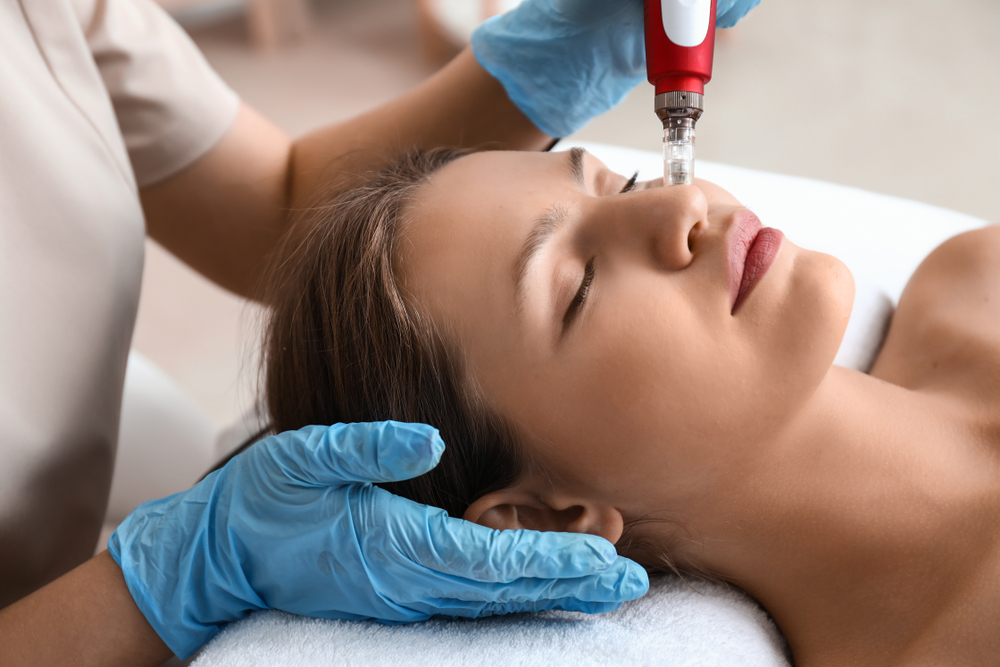
When clients visit salons and spas, they trust beauty professionals with their health and safety. They assume that the tools touching their skin, hair, and nails are clean and sanitized. They expect that the products applied to their bodies are stored and used safely. They believe that beauty professionals understand and follow proper sanitation protocols protecting them from infections, diseases, and chemical exposures. This trust is sacred—violating it through poor sanitation practices can cause serious harm, destroy reputations, and even end careers.
Sanitation and safety aren’t just regulatory requirements that you follow to avoid getting in trouble with health inspectors. They’re fundamental ethical responsibilities that every beauty professional must take seriously. Understanding why proper sanitation matters, what risks exist when protocols aren’t followed, and how to maintain the highest safety standards protects both your clients and your career.
Why Sanitation Is Non-Negotiable in Beauty Services
Beauty services involve intimate contact with clients’ bodies in ways that create potential pathways for infection and disease transmission if proper protocols aren’t followed.
The Real Risks of Poor Sanitation
Bacterial infections can be transmitted through contaminated tools, including staphylococcus (staph infections), streptococcus causing various infections, and pseudomonas commonly found in nail salon footbaths. These infections range from minor skin irritations to serious systemic infections requiring hospitalization.
Fungal infections spread easily in salon and spa environments, particularly nail fungus (onychomycosis) from contaminated nail tools and files, ringworm from contaminated combs and brushes, and athlete’s foot from shared foot spa equipment. Fungal infections are difficult to treat, often requiring months of prescription medications.
Viral infections including potentially life-threatening diseases can be transmitted through blood exposure. Hepatitis B and C spread through contaminated implements that break the skin. HIV, while less easily transmitted, poses risks during services that might cause bleeding. Even common viruses like herpes (cold sores) and warts can spread through contaminated tools and surfaces.
Chemical exposures from improper product storage, mixing, or use can cause allergic reactions, chemical burns, respiratory problems, and long-term health effects from repeated exposure.
The liability alone should motivate proper sanitation, but more importantly, your ethical obligation to client wellbeing demands rigorous safety protocols.
Legal and Professional Consequences
Beyond harming clients, sanitation violations carry serious professional consequences. State board actions can include fines, license suspension, or license revocation ending your career. Lawsuits from clients who contract infections due to poor sanitation can result in massive financial judgments. Reputation damage spreads quickly through online reviews and word-of-mouth, destroying businesses built over years.
Criminal charges are even possible in extreme cases of negligent practices causing serious harm. The potential consequences of poor sanitation far outweigh any time or cost saved by cutting corners.
Understanding Sanitation Levels and Methods
Effective sanitation requires understanding different levels of cleanliness and appropriate methods for achieving them.
The Hierarchy of Sanitation
Sterilization completely destroys all microbial life including spores, representing the highest level of cleanliness. Medical instruments and certain beauty tools require sterilization through autoclaves, dry heat sterilization, or chemical sterilization. Most beauty implements don’t require sterilization unless they penetrate the skin.
Disinfection destroys most pathogens but not necessarily all bacterial spores. This is the standard for most beauty tools and implements that contact clients. Hospital-grade disinfectants approved by the EPA effectively kill bacteria, viruses, and fungi when used according to manufacturer directions.
Sanitization reduces microbes to safe levels but doesn’t eliminate all pathogens. While sanitization is better than nothing, it’s insufficient for most professional beauty services. Sanitizers work well for hands and surfaces but don’t adequately clean tools that contact clients.
Understanding these distinctions helps you choose appropriate cleaning methods for different items and situations.
Proper Disinfection Procedures
Effective disinfection requires systematic processes, not shortcuts. Pre-clean all implements by removing all visible debris, hair, and product residue through scrubbing with soap and water. Debris protects microbes from disinfectants, rendering them ineffective.
Use appropriate disinfectants that are EPA-registered, hospital-grade, and labeled as effective against bacteria, viruses, and fungi (bactericidal, virucidal, and fungicidal). Common options include quaternary ammonium compounds (“quats”), phenolic disinfectants, and alcohol solutions.
Follow contact time requirements specified by manufacturers—typically 10 minutes for most hospital-grade disinfectants. Tools must remain completely immersed in disinfectant solution for the full required time. Dipping briefly or wiping down doesn’t achieve proper disinfection.
Rinse and dry implements after disinfection if required by product instructions. Store properly in clean, closed containers protecting them from contamination until use.
Single-Use Items and When to Use Them
Many items should be used once and discarded rather than cleaned and reused. Always use single-use disposables for items that contact blood or body fluids, files and buffers that cannot be effectively disinfected, wooden implements that absorb moisture and products, and cotton, tissues, and similar materials.
Never reuse items marked as single-use even if they appear clean. The cost of disposables is tiny compared to risks of infection transmission.
Specific Sanitation Protocols for Different Services
Different beauty services require specific sanitation considerations.
Hair Services Sanitation
Combs, brushes, and clips must be cleaned of all hair and debris, then fully immersed in disinfectant solution for required contact time. Shears and razors require thorough cleaning and disinfection between every client. Disposable razor blades should be used once and discarded properly in sharps containers.
Capes and towels must be laundered in hot water with detergent between clients—never reuse even if they appear clean. Workstations should be wiped down with disinfectant between clients, including chairs, counters, and commonly touched surfaces.
Chemical products like color and perm solutions should be dispensed from containers rather than dipping brushes back into bottles, which contaminates products.
Nail Services Sanitation
Nail services present particularly high infection risks due to working around cuticles where skin barriers are compromised and frequent exposure to moisture.
Metal implements including nippers, pushers, and scissors must be cleaned thoroughly, then immersed in hospital-grade disinfectant for the full required time between every client. Files and buffers should be disposable or, if reusable, properly disinfected between uses (though most nail professionals use disposable files).
Pedicure tubs and basins require extensive cleaning and disinfection after each client. Drain and rinse tubs, scrub all surfaces including jets and internal components with soap and disinfectant, rinse thoroughly, and run disinfectant solution through jets for required time. Many jurisdictions require detailed logs documenting pedicure equipment sanitation.
Avoid cross-contamination by never dipping used brushes back into polish bottles, using clean spatulas for removing product from jars rather than fingers, and replacing contaminated products immediately.
Esthetics Services Sanitation
Facial implements including extraction tools must be cleaned and disinfected between clients. Brushes and sponges for applying products should be single-use disposable or thoroughly cleaned and disinfected between clients. Many estheticians prefer using disposable applicators to avoid cleaning challenges.
Treatment beds and equipment should be wiped down with disinfectant between clients. Linens including sheets, towels, and headbands must be laundered in hot water between uses.
Product hygiene requires using spatulas or pumps to dispense products from containers rather than dipping fingers into jars used for multiple clients.
Chemical Safety and Product Handling
Sanitation isn’t just about preventing infection—it also involves safe chemical handling protecting clients and professionals from harmful exposures.
Understanding Safety Data Sheets
Every professional product you use should have a Safety Data Sheet (SDS) providing critical safety information including hazardous ingredients and precautions, first aid measures for exposures, proper storage requirements, and disposal procedures.
Read and understand SDS for every product you use. Keep them readily accessible—regulations require SDS availability in workplaces. Know what to do in case of accidental exposures, spills, or emergencies.
Proper Ventilation
Many beauty products release fumes that can irritate airways or cause health problems with chronic exposure. Ensure adequate ventilation in work areas through proper HVAC systems, open windows or exhaust fans, and air purifiers when needed.
If you’re experiencing respiratory irritation, headaches, or other symptoms that improve on days off, ventilation may be inadequate. Address this immediately—long-term chemical exposure causes serious health problems.
Safe Mixing and Application
Never mix chemicals unless specifically instructed by manufacturers. Mixing incompatible products can create toxic fumes or dangerous reactions. Follow manufacturers’ directions exactly for mixing ratios, application methods, and processing times.
Wear appropriate PPE (personal protective equipment) including gloves when handling chemicals, aprons protecting clothing and skin, and masks when appropriate for product fumes.
Store chemicals properly in original containers with labels, away from heat sources, in secure locations preventing accidental access by children, and separated from incompatible substances.
Creating a Culture of Safety
Maintaining high sanitation standards requires systemic approaches, not just individual effort.
Standard Operating Procedures
Establish written protocols for disinfecting different tools and implements, cleaning workstations and equipment, handling and storing products, managing waste and contaminated materials, and responding to exposure incidents.
Train all staff thoroughly on protocols and ensure understanding and compliance. Post reminders at relevant locations throughout your workspace. Review and update procedures regularly as products, regulations, or best practices evolve.
Time and Resource Management
Proper sanitation takes time and costs money for supplies. Build adequate time between appointments for proper cleaning and setup. Rushed sanitation leads to shortcuts and inadequate disinfection.
Budget appropriately for quality disinfectants, disposable supplies, and replacement of worn implements. Don’t compromise on sanitation supplies to save money—the costs of poor sanitation far exceed supply expenses.
Monitoring and Accountability
Regular monitoring ensures protocols are actually followed, not just written. Conduct self-audits checking compliance with your own procedures. Address violations immediately if you or staff are cutting corners. Celebrate good practicesreinforcing the importance of rigorous sanitation.
If you’re managing others, make sanitation compliance a key performance metric. Non-negotiable standards protect everyone.
Client Communication About Safety
Educated clients appreciate visible sanitation practices and feel more confident in your professionalism.
Visible Sanitation
Make cleanliness obvious through clean, organized workspaces free of clutter and visible debris, fresh capes and linensfor every client, implements removed from sealed containers in front of clients, and disinfectant solutions visibleshowing you maintain proper sanitation.
When clients see you following protocols, their confidence in your professionalism increases and they’re more likely to return and refer others.
Answering Client Questions
Some clients ask about sanitation practices—view this as opportunity, not criticism. Welcome questions and answer honestly and thoroughly. Explain your procedures showing you take safety seriously. Differentiate your practices from less rigorous competitors who may not follow proper protocols.
Clients who understand your commitment to their safety become loyal advocates for your business.
Your Professional Responsibility
Sanitation and safety are fundamental aspects of professional cosmetology practice, not optional extras. Quality cosmetology education emphasizes these principles from day one, teaching proper protocols alongside technical skills.
Programs at PJ’s College of Cosmetology throughout Indiana and Kentucky—including locations in Brownsburg, Clarksville, Greenfield, Indianapolis, Jeffersonville, Muncie, Plainfield, Richmond, Bowling Green, Glasgow, and Louisville—thoroughly prepare students in sanitation and safety. Students learn state regulations, proper disinfection procedures, chemical safety, and professional responsibility for client wellbeing.
This education creates professionals who understand that technical skills mean nothing without rigorous safety standards protecting clients. Your license represents not just your technical competency but your commitment to practicing safely and ethically.
Never compromise on sanitation regardless of time pressures, cost considerations, or inconvenience. Every shortcut you take risks client health, your reputation, and your career. The few extra minutes and dollars invested in proper sanitation practices are among the most important investments you’ll make in your professional success.
Your clients trust you with their safety. Honor that trust every single day, with every single client, through every single service. This commitment to safety distinguishes true professionals from those simply going through the motions. Be the beauty professional clients can trust completely, knowing their health and safety are always your top priority.
Quality cosmetology education emphasizes sanitation and safety as foundations of professional practice. Comprehensive training at PJ’s College of Cosmetology prepares students to protect clients while delivering excellent beauty services throughout their careers.