December 2, 2025
The Complete Guide to Esthetics: Building a Rewarding Career in Skincare and Facial Treatments
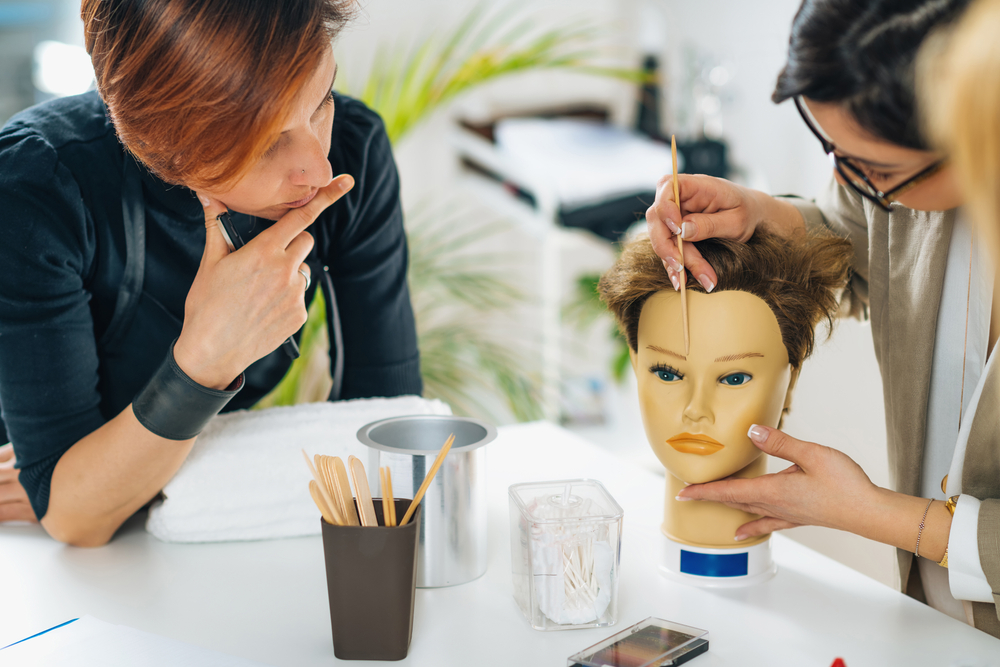
While hair services dominate many people’s perception of the beauty industry, skincare and esthetics represent a rapidly growing segment offering specialized career opportunities with unique rewards. Estheticians focus exclusively on the health and appearance of skin, providing facial treatments, hair removal services, makeup application, and skincare consultations that help clients achieve and maintain healthy, glowing complexions. As awareness of skincare’s importance grows and the skincare product industry explodes, demand for skilled estheticians continues increasing, creating excellent career prospects for professionals passionate about skin health.
The esthetics field offers something special that general cosmetology doesn’t always provide—the opportunity to develop deep expertise in one focused area while making meaningful impacts on clients’ confidence and skin health. Whether you’re considering esthetics as your primary career path or as a specialization within comprehensive cosmetology training, understanding what this field entails, the skills required, and the opportunities available helps you make informed decisions about your beauty career direction.
This comprehensive guide explores every aspect of esthetics careers, from understanding skin anatomy and common conditions through mastering treatment techniques, building specialized practices, and navigating various career paths within the skincare industry.
Understanding the Esthetics Profession
Before diving into the technical aspects of skincare, it’s important to understand what estheticians do and how this career differs from other beauty professions.
What Estheticians Do
Estheticians are licensed skincare specialists who analyze skin conditions, recommend appropriate treatments and products, perform facial treatments addressing various concerns, provide hair removal services including waxing and threading, apply makeup for everyday wear and special occasions, and educate clients about proper home skincare routines.
Unlike dermatologists who are medical doctors treating skin diseases and conditions, estheticians focus on cosmetic improvements and maintaining healthy skin. However, estheticians often work alongside dermatologists, providing complementary services that enhance medical treatments.
The scope of practice varies by state, but generally estheticians cannot diagnose skin conditions, prescribe medications, or perform medical procedures. Understanding these boundaries ensures you practice within legal limits while referring clients to appropriate medical professionals when necessary.
Different Types of Estheticians
The esthetics field includes several specializations, each offering unique opportunities and work environments.
Day spa estheticians work in relaxation-focused environments providing rejuvenating facials, body treatments, and other services emphasizing pampering and stress relief. This traditional path suits professionals who enjoy creating tranquil experiences and building regular clientele.
Medical estheticians work in clinical settings alongside physicians, performing advanced treatments like chemical peels, microdermabrasion, laser hair removal, and pre- and post-surgical skincare. This specialty requires additional training and appeals to those interested in clinical skincare’s therapeutic aspects.
Makeup artists specialize in cosmetic application for various purposes including bridal and special events, fashion and editorial work, film and television, theatrical productions, and retail cosmetic counters. While makeup application is one component of esthetics training, some professionals focus exclusively on this specialty.
Product specialists and brand educators represent skincare companies, educating professionals and consumers about products, conducting training sessions, and building brand relationships. This career path suits outgoing estheticians with strong communication skills and business acumen.
Esthetics Training and Licensing
Becoming a licensed esthetician requires completing state-approved training programs. Program lengths vary by state but typically range from 300 to 750 hours depending on state requirements and whether you pursue basic or advanced esthetics credentials.
Comprehensive esthetics programs cover skin anatomy and physiology, common skin conditions and disorders, facial treatment techniques and protocols, chemical exfoliation methods, hair removal techniques, makeup application theory and practice, sanitation and infection control, professional practices and client relations, and state laws and regulations governing esthetics practice.
After completing your program, you must pass state licensing exams—typically both written and practical components—demonstrating competency in esthetics theory and technical skills. Once licensed, you can legally provide esthetics services within your state’s defined scope of practice.
Some states offer separate advanced esthetics or master esthetics licenses permitting additional services like microdermabrasion, chemical peels, or laser treatments. Research your state’s specific requirements to understand available pathways and credentials.
Skin Anatomy and Physiology: The Foundation of Esthetics
Effective skincare requires thorough understanding of skin structure, function, and behavior. This knowledge guides appropriate treatment selection and product recommendations.
The Structure of Skin
Skin is the body’s largest organ, serving multiple crucial functions including protection from environmental damage and pathogens, temperature regulation, sensation, and vitamin D synthesis. Understanding skin’s structure helps you comprehend how treatments work and why certain approaches benefit specific conditions.
The epidermis is the outermost layer you see and touch. This layer constantly renews itself through cell turnover, with new cells forming at the base and moving upward over approximately 28 days before shedding. The epidermis contains melanocytes producing melanin that gives skin its color and protects against UV damage. Most esthetic treatments target the epidermis, working to improve texture, tone, and appearance.
The dermis lies beneath the epidermis and contains collagen and elastin fibers providing strength and elasticity, blood vessels supplying nutrients and oxygen, nerve endings creating sensation, oil glands (sebaceous glands) producing sebum, and sweat glands regulating temperature. The dermis’s health significantly impacts skin’s appearance—strong collagen and elastin create firm, smooth skin while degraded proteins lead to wrinkles and sagging.
The hypodermis (subcutaneous layer) is the deepest layer consisting primarily of fat cells providing insulation and cushioning, connecting skin to underlying muscles and bones. While estheticians don’t directly treat this layer, its health affects overall skin appearance and contour.
Skin Types and Conditions
Properly analyzing skin type guides treatment and product selection. The traditional classification system identifies several basic skin types.
Normal skin exhibits balanced oil production, even texture and tone, small pores, and no significant concerns. While many aspire to normal skin, it’s actually relatively uncommon, with most people showing characteristics of multiple types.
Oily skin produces excess sebum leading to shiny appearance, enlarged pores, and tendency toward acne and blackheads. However, oily skin often ages more slowly due to natural moisture, creating a positive long-term trade-off.
Dry skin produces insufficient oil, resulting in tight, rough feeling, visible flaking, small pores, and tendency toward fine lines. Dry skin requires intensive hydration and barrier protection.
Combination skin shows different characteristics in different areas—typically oily in the T-zone (forehead, nose, chin) and normal to dry on cheeks. This common pattern requires targeted treatment addressing each area’s specific needs.
Sensitive skin reacts easily to products and environmental factors with redness, irritation, burning, or breakouts. Sensitive skin requires gentle, fragrance-free products and careful treatment selection.
Beyond skin types, you’ll encounter various conditions including acne, hyperpigmentation, rosacea, premature aging, dehydration, and sun damage. Understanding these conditions helps you recommend appropriate treatments and identify when medical referral is necessary.
The Aging Process and Environmental Factors
Skin aging results from intrinsic factors (genetics and natural aging) and extrinsic factors (environmental damage and lifestyle choices). Understanding both helps you address aging concerns effectively.
Intrinsic aging includes decreased collagen and elastin production, slower cell turnover, reduced oil production, and thinning skin. While you can’t stop intrinsic aging, appropriate skincare slows visible signs.
Extrinsic aging accelerates visible aging through sun exposure (the single biggest factor), smoking, poor nutrition, inadequate sleep, stress, and environmental pollutants. Unlike intrinsic aging, extrinsic factors are largely controllable through lifestyle choices and protection.
Photoaging from UV exposure causes most visible signs people associate with aging—wrinkles, sunspots, uneven texture, and loss of elasticity. Educating clients about sun protection is one of the most valuable services estheticians provide.
Essential Esthetics Treatments and Techniques
Mastering core treatment techniques allows you to address diverse client needs and build a successful esthetics practice.
Facial Treatments: The Foundation Service
Facials are the cornerstone of esthetics practice, encompassing multiple steps that cleanse, exfoliate, treat, and nourish skin.
A comprehensive facial typically includes consultation and skin analysis, thorough cleansing removing makeup and surface debris, exfoliation removing dead skin cells, steam to soften skin and open pores, extractions removing blackheads and comedones, massage promoting circulation and relaxation, treatment masks addressing specific concerns, moisturizing and protecting, and post-treatment product recommendations and home care advice.
Treatment time typically ranges from 60 to 90 minutes, though express facials or specialized treatments may be shorter or longer.
Customization is key—no two facials should be identical because no two clients have identical skin. Analyzing each client’s specific needs and adjusting products and techniques accordingly demonstrates expertise and produces superior results.
Exfoliation Methods
Exfoliation removes dead surface cells, revealing fresher, smoother skin beneath while improving product penetration. Multiple exfoliation methods suit different skin types and concerns.
Manual exfoliation uses physical scrubs containing small particles that physically buff away dead cells. While effective, manual exfoliation must be gentle—aggressive scrubbing damages skin rather than helping it.
Chemical exfoliation uses acids or enzymes to dissolve bonds holding dead cells to the skin surface. Alpha hydroxy acids (AHAs) like glycolic and lactic acid work on the skin surface, addressing texture, tone, and fine lines. Beta hydroxy acids (BHAs) like salicylic acid penetrate pores, making them ideal for oily, acne-prone skin. Enzymes from fruits like papaya and pineapple provide gentle exfoliation suitable for sensitive skin.
Mechanical exfoliation devices like microdermabrasion use crystals or diamond-tipped wands to physically remove dead cells while stimulating collagen production. This advanced technique requires specific training and equipment.
Understanding which exfoliation method suits each client prevents irritation while maximizing benefits.
Hair Removal Services
Hair removal represents a significant revenue stream for many estheticians and requires precision, proper technique, and attention to sanitation.
Waxing removes hair from the root using warm or hot wax applied to skin and quickly removed, pulling hair out. Waxing provides longer-lasting results than shaving (typically 3-6 weeks) and eventually reduces hair thickness and growth. Common waxing services include eyebrow shaping, facial hair removal, underarm waxing, leg waxing, bikini and Brazilian waxing, and body waxing.
Proper waxing technique prevents common problems like broken hair, ingrown hairs, burns from overly hot wax, and skin damage from improper removal. Mastering waxing takes practice but becomes highly profitable once perfected.
Threading uses twisted cotton thread to trap and remove hair in precise lines, making it ideal for eyebrow shaping and facial hair. This ancient technique creates clean, defined lines and suits clients with sensitive skin who can’t tolerate waxing.
Tweezing removes individual hairs with precision, perfect for finishing eyebrow shapes and removing stray facial hairs. While too time-consuming for large areas, tweezing is essential for detail work.
Advanced Treatment Techniques
As you gain experience, advanced techniques expand your service menu and increase earning potential.
Chemical peels use concentrated acids to remove outer skin layers, addressing concerns like acne scarring, hyperpigmentation, fine lines and wrinkles, and uneven texture. Peels range from superficial (minimal downtime, subtle results) to deep (significant downtime, dramatic results). Most estheticians perform superficial to medium peels, with deeper peels typically reserved for medical settings.
Microdermabrasion mechanically exfoliates skin while stimulating collagen production, improving texture, tone, fine lines, and mild scarring. This popular treatment requires specific equipment and training but offers excellent results with minimal downtime.
LED light therapy uses specific wavelengths to address various concerns—red light for anti-aging and collagen stimulation, blue light for acne-causing bacteria, and combination treatments for multiple benefits. This gentle, non-invasive treatment complements other services beautifully.
Microcurrent treatments use low-level electrical current to stimulate facial muscles and boost collagen production, offering non-invasive facial toning and lifting. Often called “non-surgical facelifts,” these treatments require specialized equipment and training.
Advanced techniques typically require additional training and certification beyond basic esthetics licenses. Investing in these credentials differentiates you from competitors and justifies premium pricing.
Product Knowledge and Recommendations
Estheticians must deeply understand skincare products—both professional lines used in treatments and retail products clients use at home.
Understanding Skincare Ingredients
Modern skincare contains numerous active ingredients, each addressing specific concerns. Key ingredients every esthetician should understand include:
Retinoids (vitamin A derivatives) are gold-standard anti-aging ingredients stimulating collagen production, accelerating cell turnover, and improving texture, fine lines, and hyperpigmentation. These powerful ingredients require proper education about use, sun protection, and potential irritation.
Vitamin C (ascorbic acid) is a potent antioxidant brightening skin, protecting against environmental damage, and supporting collagen production. Vitamin C formulations vary in stability and efficacy, requiring knowledge to recommend appropriately.
Hyaluronic acid is a humectant holding up to 1000 times its weight in water, providing intense hydration without oiliness. This ingredient suits all skin types and addresses dehydration concerns.
Niacinamide (vitamin B3) offers multiple benefits including reducing inflammation, minimizing pores, improving barrier function, and addressing hyperpigmentation. This versatile, well-tolerated ingredient suits most skin types.
Alpha and beta hydroxy acids (AHAs and BHAs) exfoliate chemically, improving texture, tone, and clarity while addressing specific concerns based on acid type.
Peptides are amino acid chains signaling skin to produce more collagen, supporting firmness and reducing wrinkles. Various peptides target different aging concerns.
Antioxidants including vitamins C and E, green tea, and resveratrol protect against free radical damage from environmental stressors, preventing premature aging.
Understanding ingredients helps you interpret product labels, explain benefits to clients, and make informed recommendations based on individual needs.
Building Effective Skincare Routines
Part of your value as an esthetician involves educating clients about proper home care. Most effective routines follow a logical sequence morning and evening.
Morning routines typically include gentle cleansing, treatment products (serums addressing specific concerns), moisturizer appropriate for skin type, and broad-spectrum SPF 30 or higher. Sun protection is non-negotiable—it’s the single most important step for preventing aging and maintaining skin health.
Evening routines involve thorough cleansing removing makeup and daily accumulation, treatment products (often different from morning), and night cream providing intensive hydration and repair. Evening is ideal for stronger treatments like retinoids since you won’t face sun exposure.
Additional steps like exfoliation (2-3 times weekly for most skin types), masks (weekly or as needed), and eye cream supplement basic routines based on individual needs.
Help clients understand that consistency matters more than complexity. Simple routines followed daily outperform elaborate regimens used sporadically.
Retail Sales and Client Education
Product retail provides significant income for estheticians—often 20-30% or more of total revenue. However, successful retail comes from genuine education and appropriate recommendations, not pushy sales tactics.
Recommend products that truly address client concerns, explain how and why products work, demonstrate proper application techniques, set realistic expectations about results and timeframes, and follow up about product performance at subsequent visits.
Clients trust your expertise—honor that trust with honest, client-focused recommendations. When you genuinely help clients achieve better skin through appropriate products, they return for both treatments and product replenishment, creating sustainable income streams.
Building Your Esthetics Career
Success as an esthetician requires more than technical skills—you need business acumen, marketing ability, and strategic career planning.
Choosing Your Work Environment
Estheticians work in diverse settings, each offering unique advantages and atmospheres.
Day spas and resort spas provide relaxation-focused environments with comprehensive service menus, steady clientele from spa’s marketing efforts, and team support and continuing education. However, commission structures often mean lower percentages than independent work, and you’ll follow spa policies and protocols rather than creating your own.
Medical spas and dermatology offices offer exposure to advanced treatments and equipment, collaboration with medical professionals, clientele seeking therapeutic results, and often higher earning potential. Medical settings require comfort with clinical environments and often additional training in advanced techniques.
Salon settings integrate skincare with hair and nail services, providing cross-referral opportunities, diverse clientele, and convenience of multiple services in one location. Some salons strongly support esthetics while others treat it as secondary to hair services—evaluate each situation individually.
Independent practice through booth rental or your own business provides complete control over services, pricing, and branding, maximum earning potential, and flexibility in scheduling and policies. However, you’re responsible for all client acquisition, business operations, and financial risk.
Retail environments in department stores or beauty retailers offer steady employment with benefits, exposure to premium product lines, and opportunities for brand education roles. While service work may be limited, these positions provide stability and potential career progression within companies.
Developing Your Specialty
Many successful estheticians develop recognized expertise in specific areas. Specialization possibilities include acne treatment and management, anti-aging and rejuvenation, sensitive skin and rosacea care, hyperpigmentation and brightening, male grooming and skincare, oncology esthetics for cancer patients, or specific treatment modalities like chemical peels or microdermabrasion.
Specialization allows you to charge premium prices, attract clients specifically seeking your expertise, and develop deeper knowledge making you more effective. While maintaining general skills serves you well, being known for something specific differentiates you in competitive markets.
Continuing Education and Advancement
The skincare industry evolves constantly with new ingredients, techniques, and technologies. Commit to lifelong learning through manufacturer training on specific product lines, advanced certification programs, industry conferences and trade shows, online courses and webinars, and peer education through professional associations.
Many states require continuing education for license renewal, but view education as professional development rather than just compliance. Learning keeps your skills current, your services relevant, and your mind engaged.
Marketing Your Esthetics Services
Even estheticians working for others benefit from personal marketing building their individual clientele and reputation.
Social media particularly Instagram suits esthetics with its visual focus. Share before-and-after photos (with permission), educational content about skincare, client testimonials and reviews, and behind-the-scenes glimpses of treatments and products. Consistency matters more than perfection—regular posting keeps you visible.
Client education positions you as an expert resource. Write blog posts or articles about skincare topics, create informational videos or tutorials, host educational events or workshops, and share your knowledge generously. When you help people, they remember and return.
Referral programs leverage satisfied clients to bring new ones. Offer incentives like discounts or free services for successful referrals, make referring easy with business cards or digital sharing, and thank clients personally when they refer others.
Community involvement through participating in local events, partnering with complementary businesses, sponsoring charitable activities, and joining professional organizations raises your visibility and demonstrates commitment to your community.
Pricing Strategies for Profitability
Estheticians often undercharge for services, undervaluing their expertise and time. Price your services to reflect your training, experience, and the value you provide to clients, market rates in your area and for your target clientele, product costs and overhead expenses, and desired income goals.
Raise prices strategically as you gain experience, expand services, and build demand. Small regular increases maintain profitability while major jumps shock clients. Communicate increases professionally with advance notice.
Package services and memberships encourage regular visits while providing predictable income. For example, “Monthly Facial Membership” at a slight discount compared to individual visits secures recurring revenue while keeping clients engaged with consistent treatments that produce better results than sporadic visits.
The Medical Esthetics Path
Medical esthetics represents the fastest-growing segment of the skincare industry, offering advanced career opportunities.
What Medical Estheticians Do
Medical estheticians work in clinical settings under physician supervision, performing advanced treatments including chemical peels beyond superficial depths, laser and IPL treatments for hair removal, skin rejuvenation, and pigmentation, microneedling for scarring and rejuvenation, pre- and post-surgical skincare, and assisting with cosmetic procedures like Botox and fillers (when permitted by state law).
Medical settings often allow estheticians to work with the latest technologies and techniques, see dramatic treatment results, and earn higher incomes than traditional spa settings.
Additional Training Requirements
Most medical esthetics positions require training beyond basic esthetics licenses. This might include advanced or master esthetics licenses (in states offering them), laser safety and operation certification, specific equipment training from manufacturers, understanding of medical terminology and procedures, and familiarity with clinical protocols and documentation.
Some medical practices provide training, while others require certifications before hiring. Research requirements in your area and for positions you’re interested in pursuing.
Working with Medical Professionals
Medical estheticians collaborate closely with dermatologists, plastic surgeons, and other physicians. This relationship requires understanding medical protocols and sterile techniques, communicating effectively with medical staff, recognizing when conditions require physician evaluation, and documenting treatments and outcomes thoroughly.
The clinical environment differs significantly from traditional spa settings—it’s less focused on relaxation and more oriented toward therapeutic results and medical protocols. If clinical environments appeal to you, medical esthetics offers exciting opportunities.
The Role of Esthetics in Comprehensive Cosmetology
Many cosmetology programs include esthetics training as part of comprehensive beauty education. Understanding how esthetics fits within broader cosmetology helps you make informed decisions about your training and career path.
Comprehensive vs. Specialized Training
Comprehensive cosmetology programs covering hair, skin, and nails provide versatility and career flexibility, exposure to multiple specialties before committing to one, and ability to offer complete beauty services. Programs offering 1500 hours of training typically include substantial esthetics education alongside hair and nail services.
Specialized esthetics programs focus exclusively on skincare, offering deeper training in fewer hours (typically 300-750 hours depending on state), faster entry into the skincare field, and concentrated expertise in one area.
Neither path is inherently better—the right choice depends on your interests, career goals, and whether you prefer specialization or versatility.
Esthetics Training in Comprehensive Programs
Quality comprehensive cosmetology programs include extensive esthetics education covering facial treatments and massage techniques, makeup application and color theory, hair removal methods, basic skin analysis, product knowledge and retail, and sanitation specific to esthetics services.
This training prepares graduates to offer esthetics services in salon settings or pursue additional specialized training if deeper esthetics focus develops over time.
Programs at schools throughout Indiana and Kentucky in locations like Glasgow, Bowling Green, Louisville, Indianapolis, Jeffersonville, Muncie, and Richmond provide comprehensive esthetics training within cosmetology programs or as specialized esthetics-focused courses, giving students options based on their career interests.
Your Path to an Esthetics Career
Whether you pursue esthetics as a specialization within comprehensive cosmetology or as a dedicated career focus, this field offers rewarding opportunities to help clients achieve healthy, beautiful skin while building sustainable, profitable practices.
The esthetics industry continues growing as skincare awareness increases, aging populations seek rejuvenation, and advanced technologies expand treatment possibilities. Skilled estheticians with solid training, business acumen, and commitment to ongoing education find abundant opportunities in diverse settings.
Begin your journey with quality education providing the theoretical knowledge and practical skills necessary for licensure and professional success. Look for programs offering comprehensive skin anatomy and physiology education, extensive hands-on practice with multiple treatment techniques, exposure to professional product lines, business and professional development training, and preparation for state licensing exams.
Your esthetics career offers the satisfaction of helping clients feel confident in their skin, the creativity of designing customized treatments, the intellectual challenge of understanding complex skin science, and the financial rewards of building specialized expertise. With proper training, dedication to excellence, and strategic career development, you can build a thriving esthetics practice doing work you love while making meaningful differences in clients’ lives.
The skincare industry needs passionate, skilled estheticians committed to both the art and science of beautiful, healthy skin. Your journey begins with quality education and grows through experience, continuing education, and genuine dedication to helping every client achieve their skincare goals.
Ready to launch your esthetics career or add skincare specialization to your beauty expertise? Comprehensive training programs provide the foundation you need for success in the growing, rewarding field of professional skincare and esthetics.