January 19, 2026
The Rise of Men’s Grooming: Opportunities in Barbering and Male Clientele Services
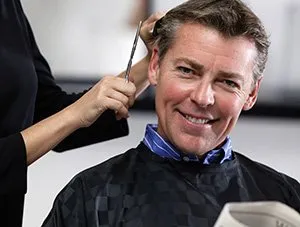
The men’s grooming industry has experienced explosive growth over the past decade, transforming from basic haircuts and shaves into a sophisticated market encompassing skincare, hair styling, beard care, and comprehensive grooming services. What was once a relatively simple segment of the beauty industry now represents billions in annual revenue with specialized barbershops, men’s grooming products, and dedicated services addressing the unique needs and preferences of male clients.
For cosmetology students and beauty professionals, this growth creates exciting opportunities to specialize in men’s services, tap into an expanding market, and build practices serving clientele who increasingly value professional grooming and self-care. Whether you’re interested in traditional barbering, modern men’s styling, or comprehensive male grooming services, understanding this market and developing appropriate skills positions you for success in this thriving niche.
Understanding the Modern Men’s Grooming Market
Today’s male clients have very different expectations and grooming habits than previous generations. Understanding these shifts helps you serve this growing market effectively.
What’s Driving Men’s Grooming Growth
Several cultural and social factors have contributed to the men’s grooming boom. Social media and image consciousnesshave made appearance more important across all demographics. Men see groomed, polished peers and celebrities online and want similar results for themselves. Changing masculinity concepts have reduced stigma around men caring about their appearance. What might have seemed vain or effeminate in previous decades is now simply considered good self-care and professionalism.
Professional advantages of good grooming are increasingly recognized. Men understand that polished appearance impacts career opportunities, advancement, and professional credibility. Dating culture changes including online dating apps where first impressions are visual have made men more conscious about presenting their best appearance. Product availability has expanded dramatically with countless men’s grooming products creating both awareness and demand for professional services to help navigate options.
The result is a generation of male clients willing to invest time and money in professional grooming services, regular maintenance appointments, and quality products—creating sustainable business opportunities for beauty professionals who understand and serve this market.
Services Modern Male Clients Seek
Today’s male grooming services extend far beyond basic haircuts. Haircuts and styling remain foundational but now include precision cutting, fade techniques, textured styles, and longer contemporary cuts requiring skill and artistry. Beard grooming has become huge with beard trimming and shaping, beard dying and toning, beard treatments and conditioning, and straight razor detailing creating specialized service categories.
Skincare services increasingly appeal to male clients including facials designed for men’s thicker, oilier skin, treatments addressing shaving irritation and ingrown hairs, anti-aging treatments for professional men, and acne treatments for younger clients. Hair services beyond cutting include men’s color for gray coverage or fashion looks, hair treatments for thinning or damaged hair, scalp treatments and massages, and professional styling for special events.
Traditional barbering services are experiencing renaissance including hot towel shaves, beard and mustache shaping, and classic grooming experiences. Many male clients appreciate the traditional barbershop atmosphere and time-honored techniques alongside modern services.
Traditional Barbering vs. Modern Men’s Styling
Understanding the distinction between traditional barbering and modern men’s styling helps you determine which path aligns with your interests and skills.
Classic Barbering: Time-Honored Techniques
Traditional barbering focuses on clipper work and fades creating clean, precise cuts with seamless transitions. Straight razor work for shaves, beard edges, and lineup details requires specialized training and steady hands. Classic men’s cutslike flattops, crew cuts, and pompadour styles maintain popularity with clients preferring timeless looks.
The traditional barbershop atmosphere emphasizes masculine environment with sports on TV, leather chairs, and camaraderie among clients and barbers. Quick, efficient service keeps appointments moving while maintaining quality. Community and conversation make barbershops social spaces where men gather, talk, and build relationships with their barbers.
Traditional barbering appeals to professionals who enjoy classic techniques and tools, efficient, straightforward service, building regular clientele who return weekly or biweekly, and masculine, no-frills atmospheres.
Modern Men’s Styling: Contemporary Approaches
Modern men’s styling incorporates techniques from high-fashion hairstyling applied to male clients. Services include creative cutting using scissors, razors, and texturizing techniques for contemporary, fashion-forward styles, color services from subtle gray blending to bold fashion colors, advanced styling with blow drying, product application, and finishing techniques, and personalized consultation addressing individual style, lifestyle, and maintenance abilities.
Modern approaches often operate in unisex salon environments serving all genders, upscale barbershops blending traditional atmosphere with contemporary services, men’s grooming lounges offering comprehensive services beyond hair, or independent studios specializing in high-end men’s styling.
This path suits professionals who enjoy artistic, creative work, staying current with fashion trends, comprehensive consultations and personalized service, and diverse service menus beyond basic cuts.
Many successful professionals blend both approaches, offering traditional barbering foundations with modern styling options, appealing to diverse male clientele with varying preferences and needs.
Essential Skills for Serving Male Clientele
Whether you focus on traditional barbering or modern men’s services, certain skills are essential for success in this market.
Technical Proficiency
Clipper mastery is non-negotiable for men’s services. You must understand guard sizes and their uses, fading and blending techniques creating seamless transitions, clipper over comb work, and proper clipper maintenance and care. Scissor cutting for men differs from women’s techniques with emphasis on short cuts and texturing, blending and layering on short hair, detail work around ears and necklines, and speed without sacrificing precision.
Razor work whether with straight razors or safety razors requires proper technique for hot towel shaves, edge work and line-ups, beard shaping and detailing, and safety protocols preventing nicks and irritation.
Consultation and Communication
Male clients often communicate differently than female clients about their desired results. Many men lack vocabulary for describing haircuts or styles they want, making visual references and careful observation crucial. Effective consultationinvolves showing style references and examples, asking about lifestyle and styling time, understanding workplace or dress code requirements, and discussing maintenance between appointments.
Clear communication during services keeps clients informed without over-explaining. Many male clients prefer straightforward updates rather than constant conversation, though others enjoy social interaction—reading individual preferences is key.
Speed and Efficiency
Many male clients value efficiency alongside quality. They don’t want to spend hours in the salon for basic services. Developing speed without sacrificing quality through systematic approaches to common cuts, efficient setup and cleanup, streamlined consultation processes, and appropriate appointment timing keeps male clients happy and your schedule productive.
Product Knowledge for Men’s Lines
The explosion of men’s grooming products means you need expertise in pomades, clays, and styling products for various hold levels and finishes, beard oils, balms, and grooming products, men’s skincare including cleansers, moisturizers, and treatments, and shaving products for traditional wet shaving. Recommending appropriate products adds retail revenue while helping clients maintain their looks at home.
Building a Male-Focused Practice
Success serving male clientele requires more than just technical skills—you need strategic business development focused on this market.
Creating Appealing Environments
Male clients often prefer different atmospheres than traditional salons. Consider masculine design elements through darker colors and materials, leather or industrial-style furniture, minimal frills and decoration, and comfortable, relaxed ambiance. Entertainment options might include sports on television, music appealing to male demographics, magazines and reading materials of interest, or WiFi and charging stations for productivity.
Service efficiency matters through streamlined check-in and payment, minimal waiting with appointment punctuality, and quick turnaround between services. Many successful men’s services businesses offer additional amenities like complimentary beverages, shoe shines, or other services men appreciate.
Marketing to Male Clients
Reaching male clients requires targeted marketing approaches. Social media presence on Instagram showcasing your men’s work, Facebook targeting local male demographics, and TikTok demonstrating techniques and transformations attracts male followers. Local partnerships with men’s clothing stores, gyms and fitness centers, corporate offices, and professional organizations creates cross-referral opportunities.
Referral incentives work particularly well with male clients—men often recommend services they like to friends and colleagues. Make referring easy and reward loyalty. Online presence including Google Business profile optimization, online booking for convenience, and positive review cultivation helps male clients find and choose your services.
Pricing Strategies
Men’s services pricing varies widely based on market positioning, service complexity, and target clientele. Basic cuts in traditional shops might run $20-40, while premium styling in upscale establishments commands $50-100+. Specialized services like straight razor shaves, beard sculpting, or color services justify premium pricing.
Consider membership or package pricing encouraging regular maintenance—monthly or quarterly packages at slight discounts build recurring revenue and client commitment. Many male clients appreciate predictable costs and convenient pre-booked appointments.
Opportunities in Men’s Grooming Specialization
The men’s grooming market offers diverse specialization opportunities beyond general hair services.
Beard Specialist
The beard boom creates demand for professionals specializing in beard care. Services include shaping and trimmingcustom beard designs, maintaining existing styles, and corrective work on poorly maintained beards. Color servicescovering gray, toning brassiness, and creative coloring appeal to fashion-forward clients. Treatments and care through conditioning treatments, beard oil applications, and education about home maintenance add value.
Beard specialists often develop devoted followings among bearded clients who struggle to find professionals who truly understand beard grooming intricacies.
Men’s Skincare Specialist
As male skincare awareness grows, estheticians specializing in men’s needs find excellent opportunities. Men’s facialsdesigned for thicker, oilier skin, addressing shaving irritation and ingrown hairs, anti-aging treatments, and acne management serve growing male clientele. Waxing services for back, chest, and other areas, eyebrow grooming, and body grooming fill specific needs.
Male clients often prefer clinical, results-focused approaches over spa-like atmospheres—positioning skincare services as performance enhancement rather than pampering resonates with many men.
Corporate/Professional Grooming
Some professionals specialize in serving corporate and professional men needing to maintain polished appearances for careers. This niche emphasizes executive grooming through conservative, professional cuts, gray coverage and toning, and maintenance scheduling around business travel. Concierge services offering early morning or late evening appointments, corporate location visits, and executive treatment appeal to time-constrained professionals willing to pay premium prices for convenience.
Bridal and Event Services
Wedding grooming for grooms and groomsmen creates lucrative opportunities. Services include wedding day preparation with cuts, shaves, beard grooming, and styling on wedding days, bachelor party packages for entire wedding parties, and rehearsal and event grooming for multi-day celebrations. Marketing to wedding planners and venues expands reach to this market.
Training and Preparation for Men’s Services
Most cosmetology programs include men’s cutting and styling, but additional training enhances your expertise and marketability.
Comprehensive Cosmetology Education
Quality cosmetology programs provide fundamental training in men’s cutting techniques, clipper and razor work, beard grooming basics, and consultation skills. This foundation prepares you for general men’s services and helps you determine if specialization interests you.
Programs at PJ’s College of Cosmetology throughout Indiana and Kentucky—including locations in Brownsburg, Clarksville, Greenfield, Indianapolis, Jeffersonville, Muncie, Plainfield, Richmond, Bowling Green, Glasgow, and Louisville—provide comprehensive training in all aspects of beauty services including extensive men’s grooming education.
Additional Certifications and Training
Beyond basic training, barbering certifications (where required by state), manufacturer education from men’s product lines, specialized workshops in fading, razor work, or specific techniques, and business courses for opening barbershops or men’s grooming businesses enhance your expertise and credentials.
Many successful men’s grooming professionals pursue ongoing education throughout their careers, staying current with evolving trends, techniques, and products in this dynamic market.
The Future of Men’s Grooming
The men’s grooming industry shows no signs of slowing, with continued growth expected as younger generations maintain grooming habits into adulthood, services expand and diversify, and international markets develop similar trends.
Technology integration through online booking, digital consultations, and virtual styling assistance will likely increase. Sustainability focus with eco-friendly products and practices appeals to environmentally conscious male consumers. Wellness integration connecting grooming with overall health and self-care positions services as essential wellness practices rather than vanity.
For beauty professionals willing to understand and serve male clients thoughtfully, this market offers tremendous opportunities for specialization, business growth, and career satisfaction. Male grooming isn’t a trend—it’s a permanent shift in how men approach personal care and professional presentation.
Whether you’re just beginning your beauty education or are an established professional looking to expand your services, developing expertise in men’s grooming positions you for success in one of the industry’s fastest-growing segments. The modern male client wants professional service from knowledgeable, skilled practitioners who understand his needs—that practitioner could be you.
Interested in developing expertise in men’s grooming and barbering? Comprehensive cosmetology training at PJ’s College of Cosmetology provides the foundation for successful careers serving diverse clientele including the growing men’s grooming market.